Some shrubs look completely harmless when you see them at the nursery. They’re compact, tidy, and often labeled as fast-growing or great for privacy, which sounds like a win for most homeowners.
But fast forward a few years, and that “easy” shrub can turn into a lot more maintenance than you expected.
Some fast-spreading shrubs escape into natural areas, while others simply outgrow their space, send up suckers, reseed everywhere, or pop up in places you never planted them.
That doesn’t always mean the plant is “bad.” A few of the shrubs on this list are native and helpful for wildlife in the right setting.
But in small yards, tidy foundation beds, or formal landscapes, they can quickly become more work than they’re worth.
Many aggressive shrubs spread through underground runners, root suckers, heavy self-seeding, or berries that birds carry around the yard.
Once established, they can be surprisingly hard to control and even harder to remove completely.
1. Burning Bush (Euonymus alatus)
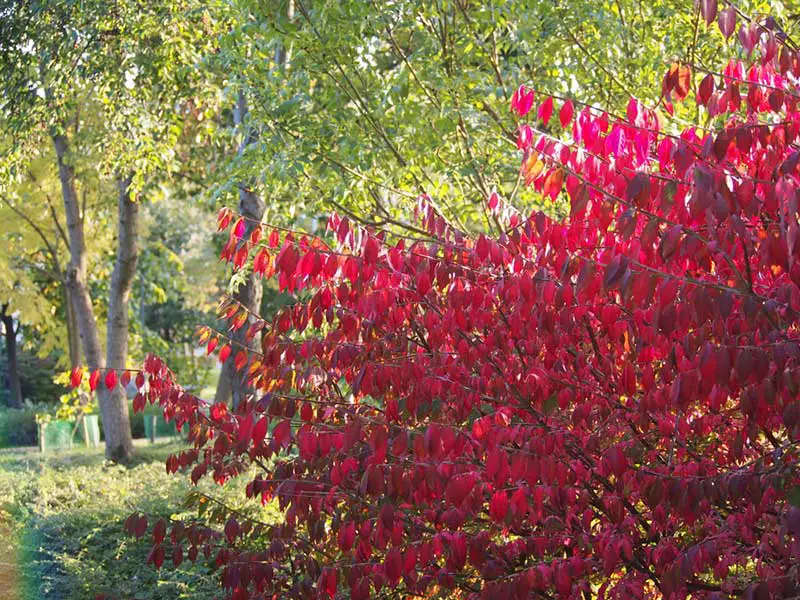
The burning bush is known for its vibrant red fall foliage. However, its aggressive nature makes it a threat to native ecosystems. Birds spread its seeds, allowing it to invade forests and fields.
This deciduous shrub can reach 15-20 feet in height. Its distinctive corky wings along the stems make it easy to identify. In fall, its leaves turn a brilliant red.
To manage burning bush:
- Remove seedlings by hand
- Cut larger plants to the ground and treat stumps with herbicide
- Replace with native alternatives like Viburnum or Fothergilla
2. Japanese Barberry (Berberis thunbergii)
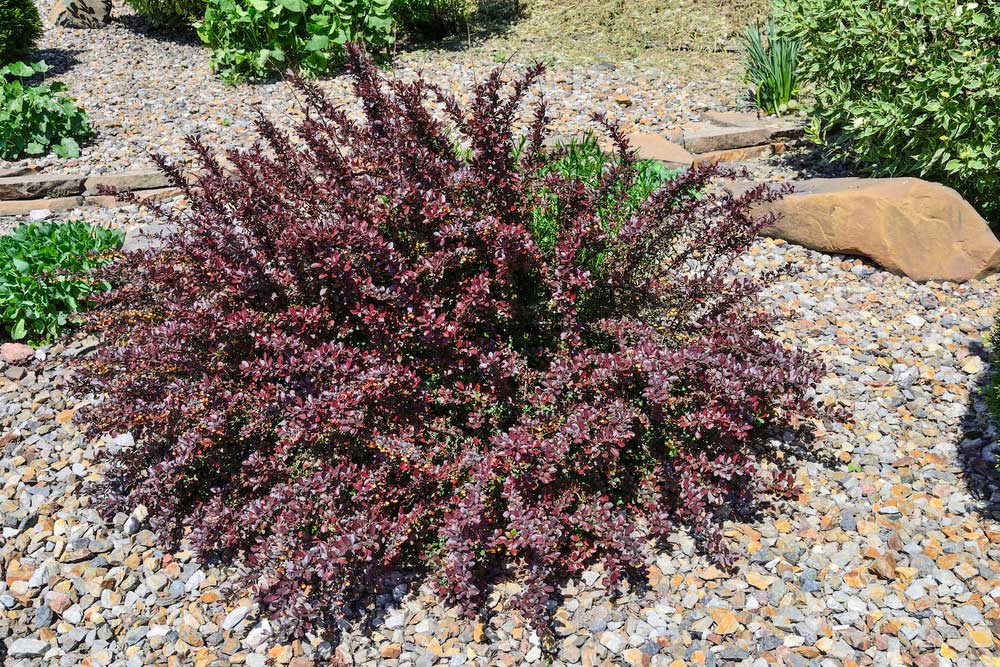
Japanese barberry is a thorny shrub that forms dense stands in forests. It alters soil chemistry and can increase tick populations. Its berries are spread by birds and small mammals.
This shrub grows 3-6 feet tall with small, oval leaves. It produces tiny yellow flowers in spring, followed by bright red berries. Its thorny branches make it difficult to remove.
Control methods:
- Pull small plants by hand (wear thick gloves)
- Cut larger shrubs and treat stumps with herbicide
- Prescribed burning can be effective in some areas
3. Autumn Olive (Elaeagnus umbellata)
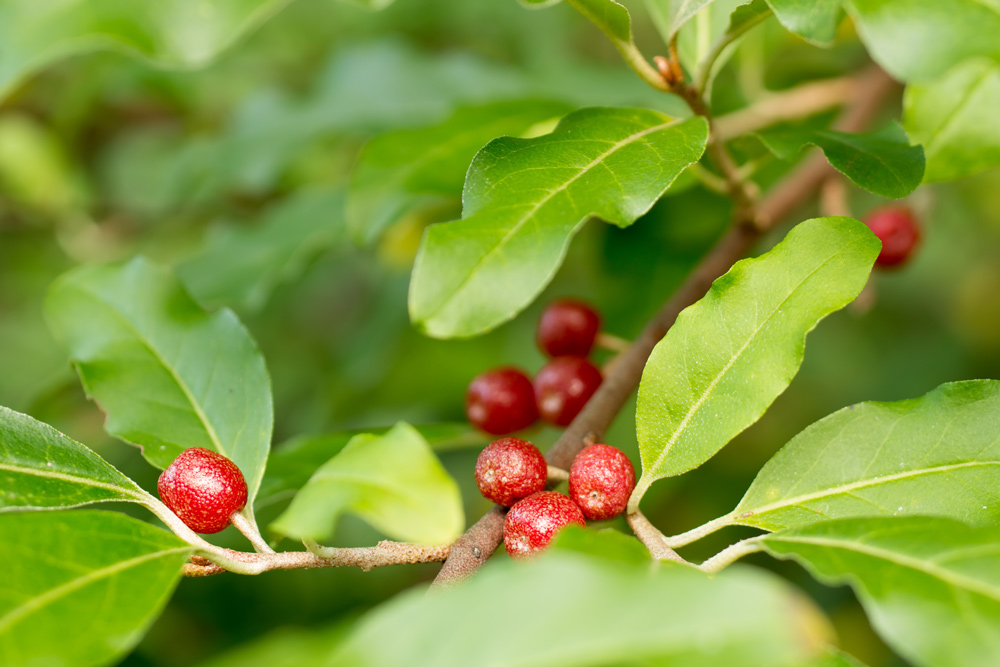
Autumn olive is a nitrogen-fixing shrub that can thrive in poor soils. It outcompetes native plants and alters ecosystem dynamics. Birds readily spread its abundant fruit.
This shrub can grow up to 20 feet tall. Its leaves are silvery-green, and it produces fragrant yellow flowers in spring. The red berries ripen in fall and persist into winter.
4. Russian Olive (Elaeagnus angustifolia)
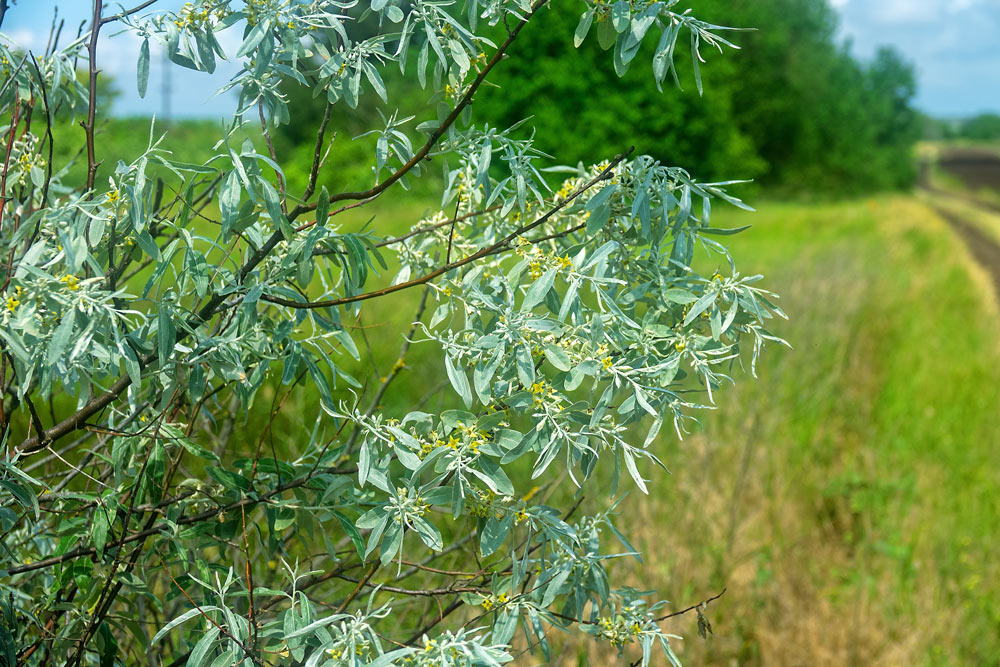
Russian olive is a fast-growing problem that can quickly spiral out of control in your garden. This hardy shrub adapts well to various soil conditions, making it difficult to eradicate once established.
Its silvery-gray foliage may seem attractive, but don’t be fooled. Russian olive’s rapid growth rate means you’ll need to prune it frequently to maintain its shape and size.
This plant also produces numerous suckers, which can pop up far from the original shrub. You’ll find yourself constantly battling these new shoots to prevent them from spreading throughout your yard.
Wildlife may enjoy its olive-like fruits, but these can also contribute to its invasive nature. Birds spread the seeds, potentially introducing Russian olive to natural areas where it can outcompete native species.
5. Multiflora Rose (Rosa multiflora)
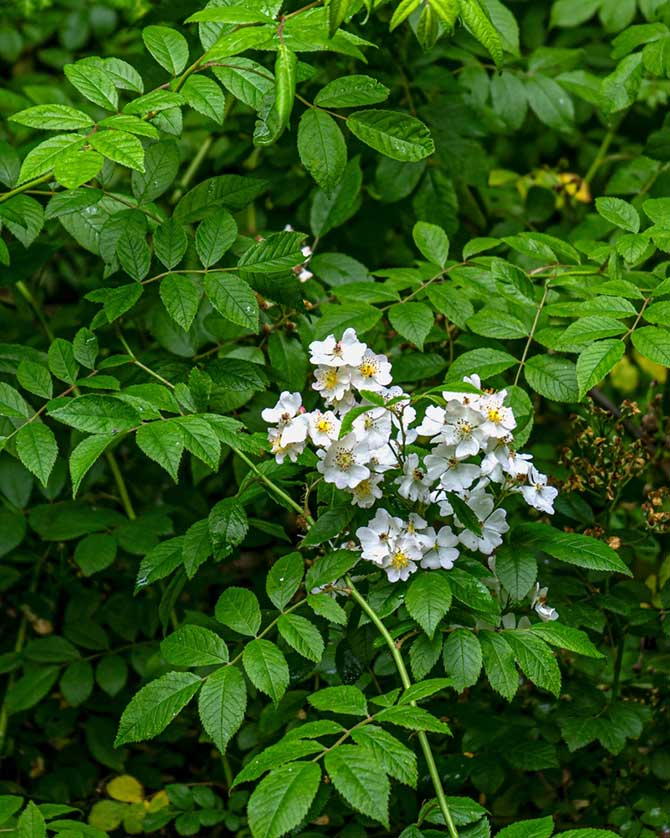
Once sold as a “living fence,” multiflora rose is now one of the most regretted shrubs in America.
It spreads by seed and by rooting where canes touch the ground, forming thorny thickets that are extremely difficult to remove.
6. Chinese Privet (Ligustrum sinense)
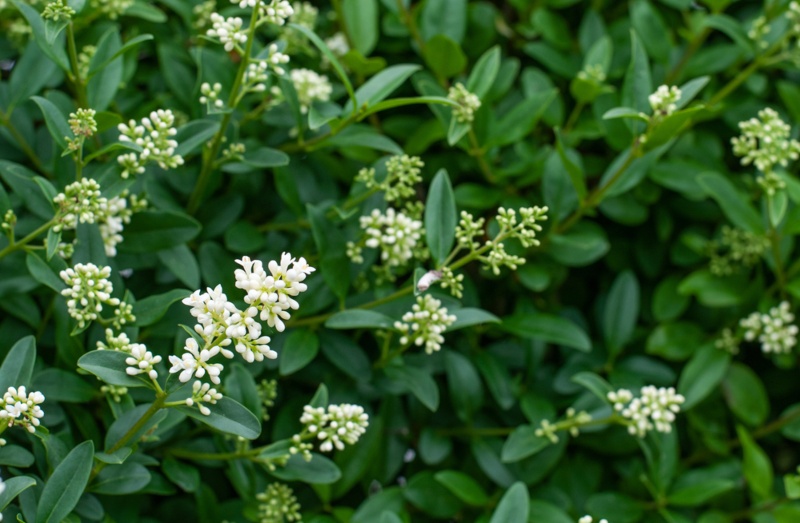
Chinese privet is a semi-evergreen shrub that forms dense thickets in forests. It shades out native understory plants and alters habitat structure. Birds spread its prolific berries.
This shrub can grow up to 20 feet tall. Its leaves are small and oval, staying green through mild winters. Fragrant white flowers appear in late spring, followed by dark blue berries.
7. Amur Honeysuckle (Lonicera maackii)
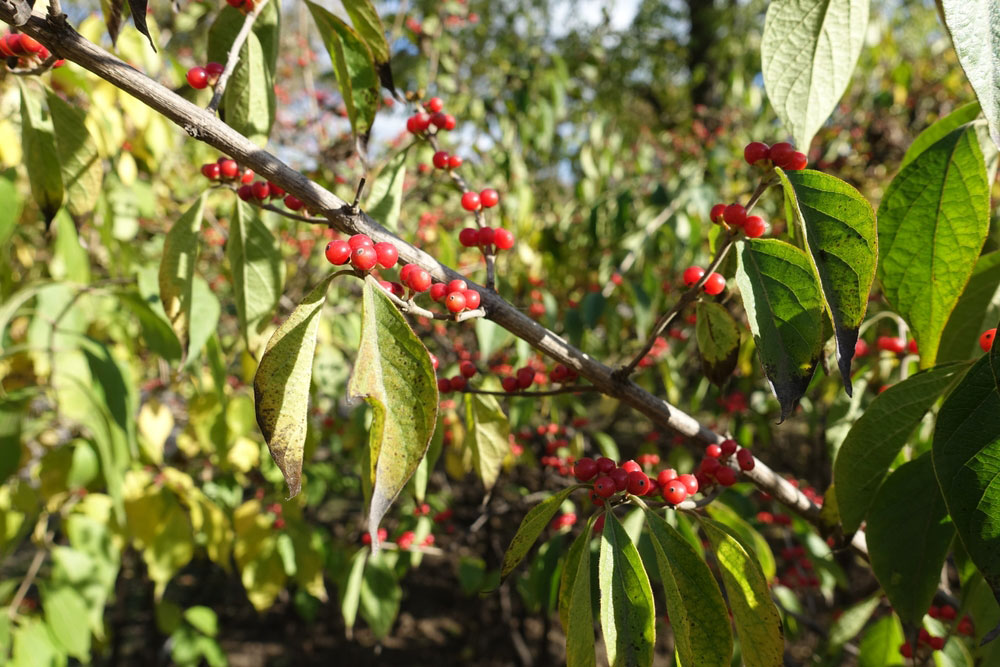
This fast-growing shrub leafs out earlier than most native plants, shading everything underneath. It spreads aggressively by seed and can quickly dominate landscapes across the Midwest and Eastern U.S.
8. Tatarian Honeysuckle (Lonicera tatarica)
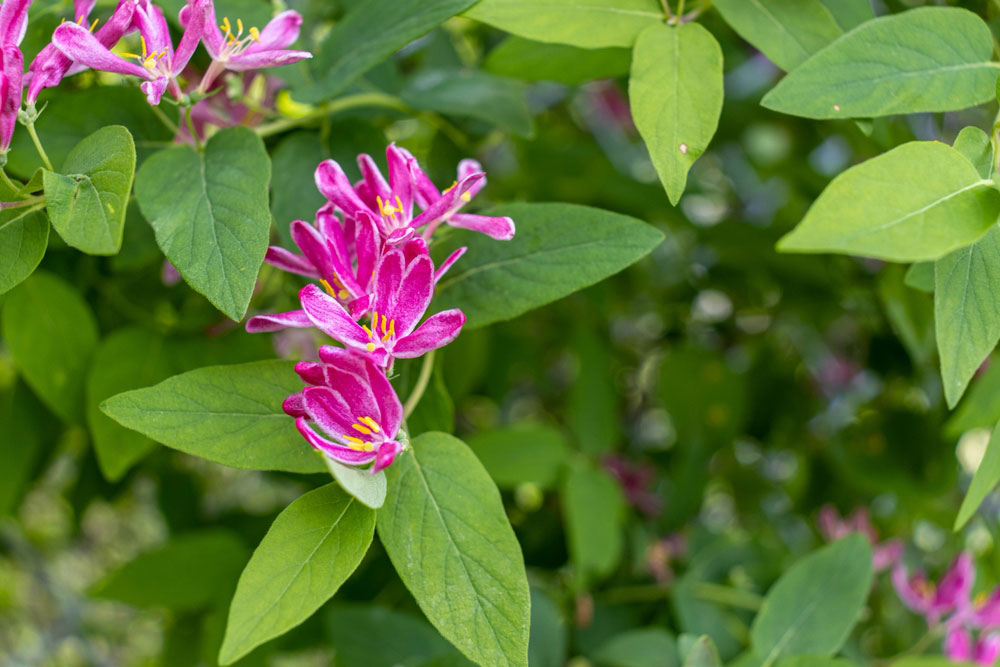
Tatarian honeysuckle is a fast-growing shrub that forms dense thickets. It leafs out early in spring, shading native plants before many of them have a chance to get going.
Birds spread its berries, allowing it to move into new areas quickly.
This shrub can reach 10 to 15 feet in height. It produces pink or white flowers in spring, followed by red or orange berries. The leaves are oval and arranged opposite each other along the stems.
9. Butterfly Bush (Buddleja davidii)
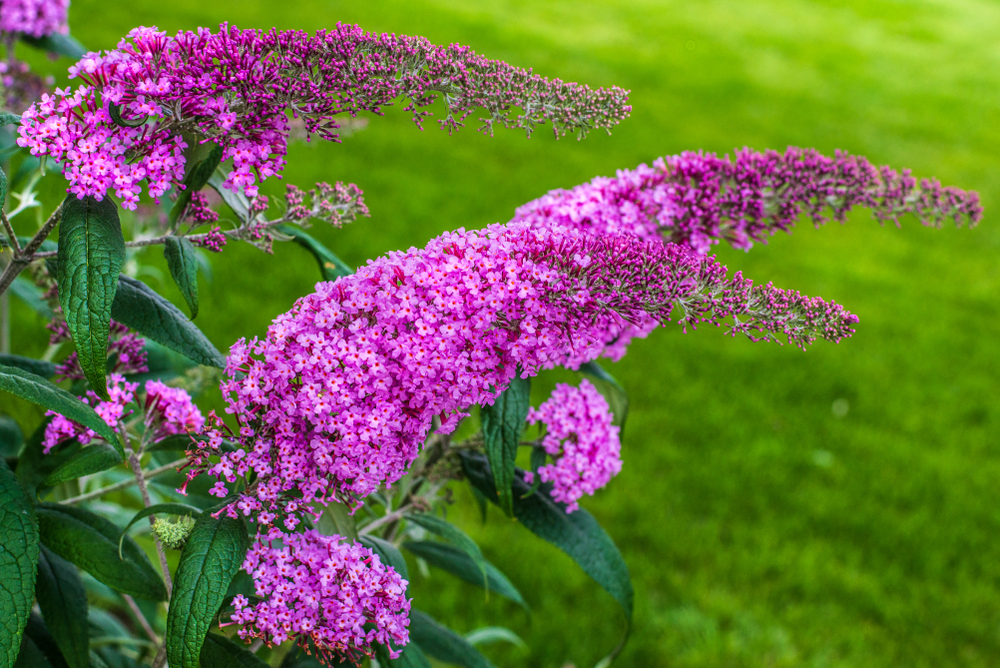
While butterfly bush attracts pollinators with its fragrant flowers, it can quickly become a garden bully. This fast-growing shrub can reach heights of 10-12 feet in a single season if left unchecked.
You’ll need to deadhead spent blooms regularly to prevent self-seeding. Without this constant attention, butterfly bush can spread aggressively, potentially escaping into natural areas.
Annual hard pruning is necessary to maintain its shape and encourage fuller growth. Without this, the shrub can become leggy and unattractive.
In some regions, butterfly bush is considered invasive due to its ability to outcompete native plants. Be sure to check local regulations before planting, as it may be restricted in your area.
10. Japanese Spirea (Spiraea japonica)
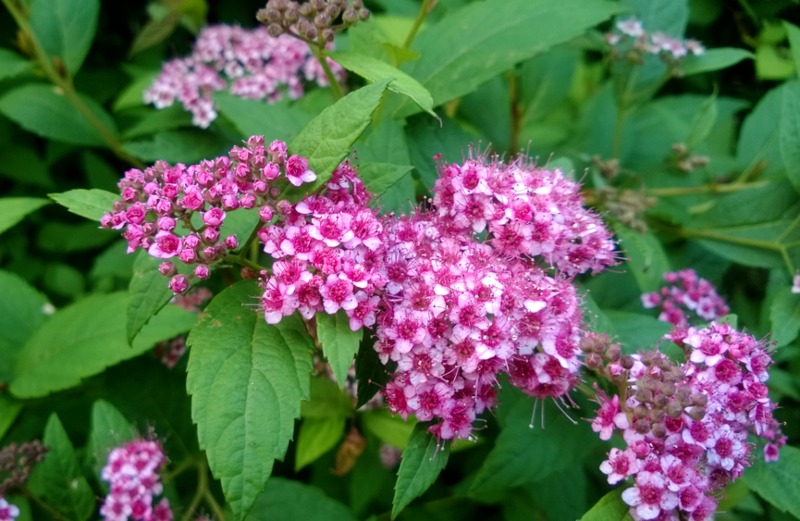
Pretty and compact at first, Japanese spirea can reseed heavily and spread into surrounding areas. In some parts of the country, it’s considered invasive because of how easily it escapes cultivation.
11. Nandina (Nandina domestica)
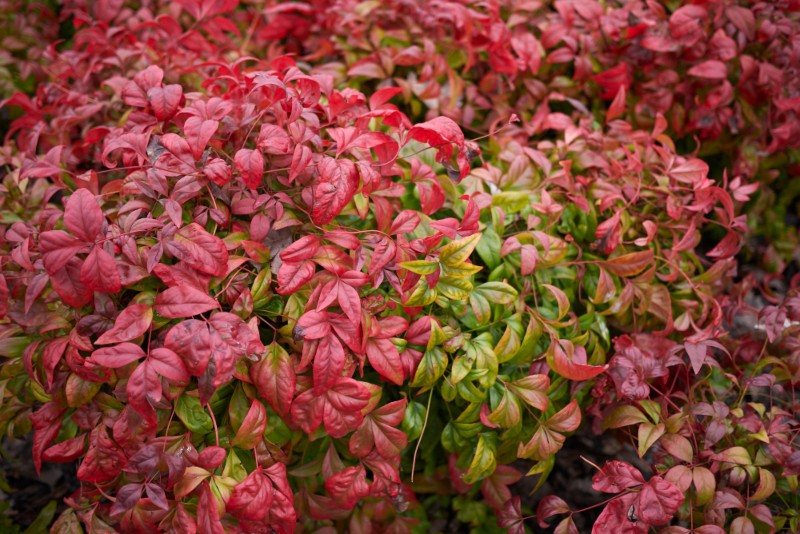
Also called heavenly bamboo, nandina may look neat and colorful at first, but it can become a problem in warmer regions.
It spreads by berries and can also form colonies over time. Birds may carry the seeds into nearby beds, woodlands, and natural areas.
Another concern is the berries. They can be toxic to birds when eaten in large amounts, which makes nandina a controversial landscape plant in many areas.
If you already have nandina, consider removing berry clusters before they ripen or choosing sterile, non-fruiting varieties when available.
12. Staghorn Sumac in Small Yards (Rhus species)
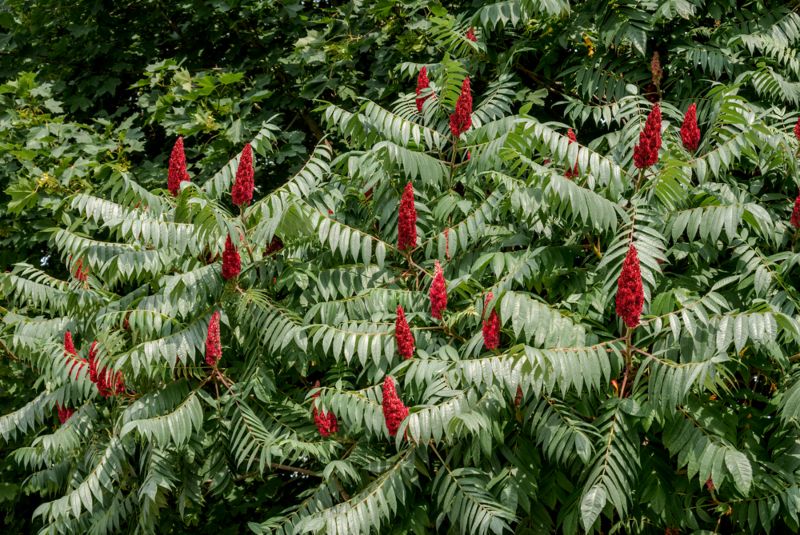
Many native sumacs are beautiful, useful plants for wildlife gardens. They offer bold fall color, interesting seed heads, and food for birds.
The issue is placement.
Staghorn sumac, in particular, spreads by root suckers and can form large colonies over time. That can be wonderful on a slope, woodland edge, or naturalized area, but frustrating in a small yard or tidy garden bed.
If you love the look of sumac, give it room to roam or choose a less aggressive type for smaller landscapes.
13. Snowberry in Small Garden Beds (Symphoricarpos albus)
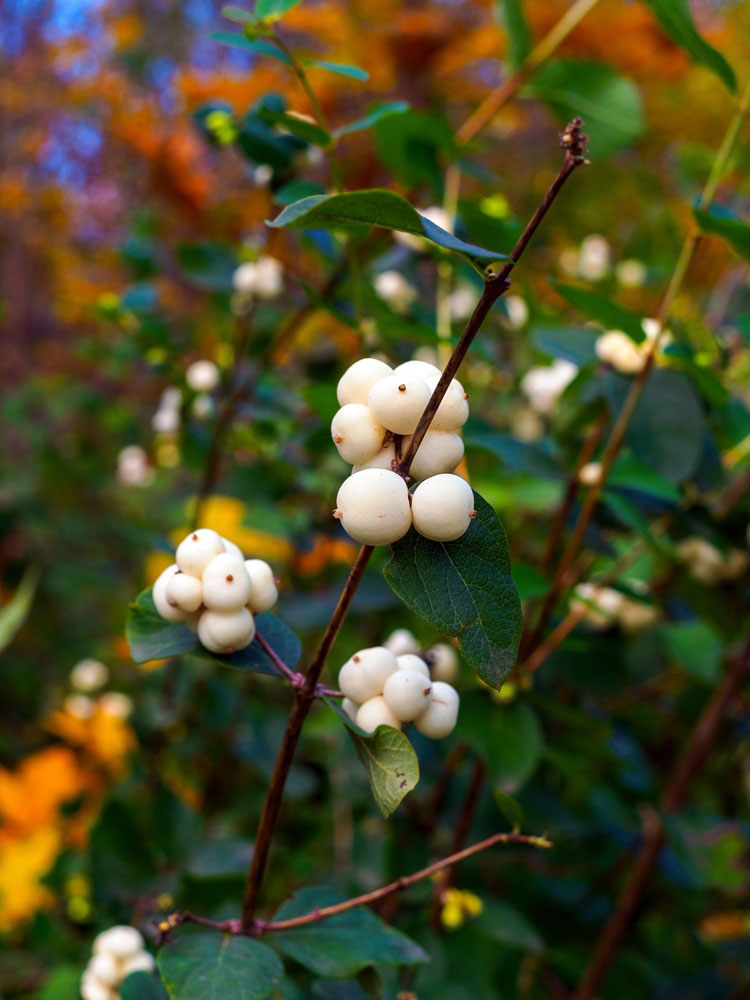
Snowberry is a native shrub with charming white berries and real wildlife value. It can be a good choice for naturalized areas, slopes, woodland edges, and informal gardens.
But in a small, tidy bed, it may be more enthusiastic than you expect.
Snowberry spreads by suckers and can slowly form colonies when it’s happy. If you plant it in a tight space, plan on pruning and removing extra shoots to keep it from wandering.
14. Coralberry in Tidy Landscapes (Symphoricarpos orbiculatus)
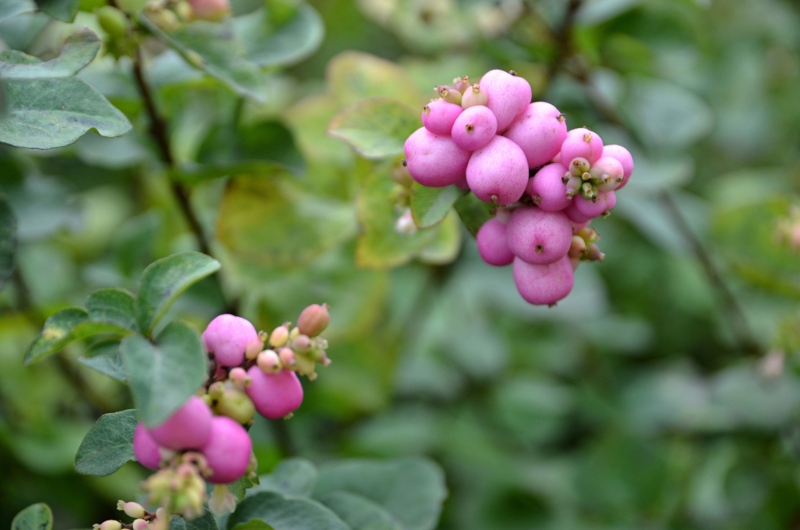
Closely related to snowberry, coralberry is another native shrub that can be useful in the right spot. It offers berries for wildlife and works well in naturalized plantings.
But it spreads by underground stems and can send up new shoots around the original plant.
That makes it better suited for wildlife gardens, slopes, and looser planting areas than small foundation beds or formal borders.
15. Wax Myrtle in Small Yards (Morella cerifera)
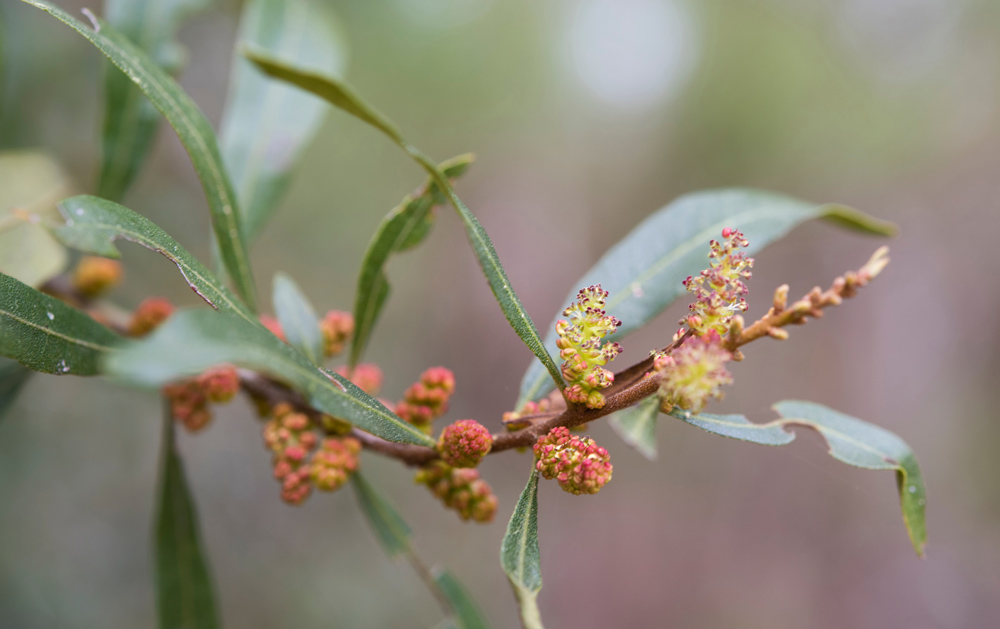
Wax myrtle is a fast-growing native shrub that is especially popular in the Southeast. It’s excellent for privacy screens, wildlife gardens, coastal landscapes, and larger properties.
The problem is that it can sucker and form colonies in the right conditions.
That’s not always a bad thing. If you need a tough evergreen screen, wax myrtle can be a great choice. But if you’re planting near a walkway, driveway, foundation, or small garden bed, it may need more pruning and root-sucker control than you expected.
16. Scotch Broom (Cytisus scoparius)
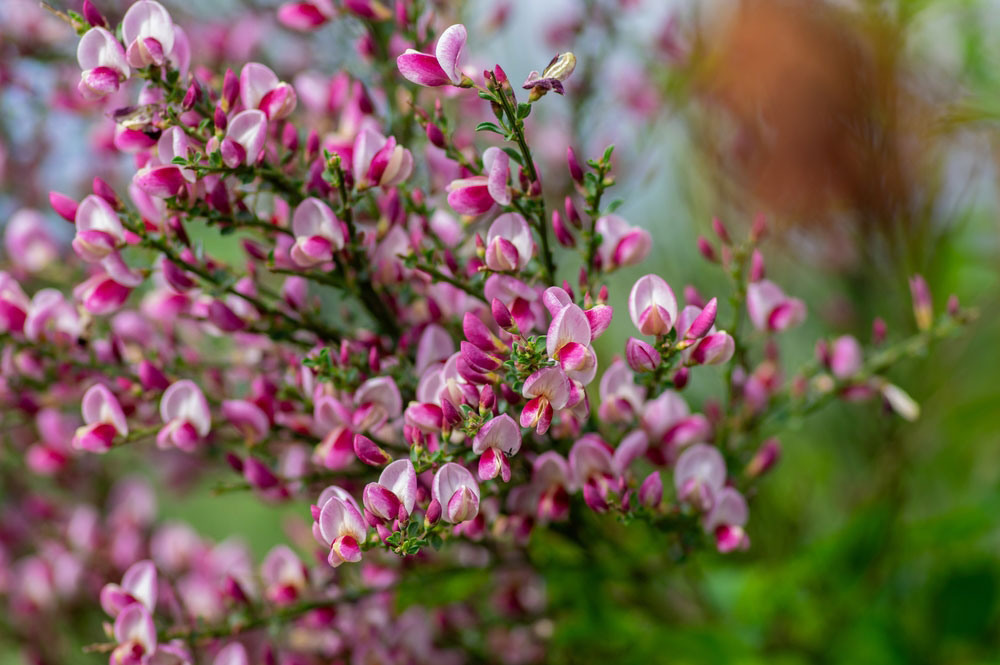
This bright yellow bloomer looks cheerful but spreads rapidly by seed. It thrives in poor soils and quickly dominates open landscapes, especially in coastal and western regions.
17. Gorse (Ulex europaeus)
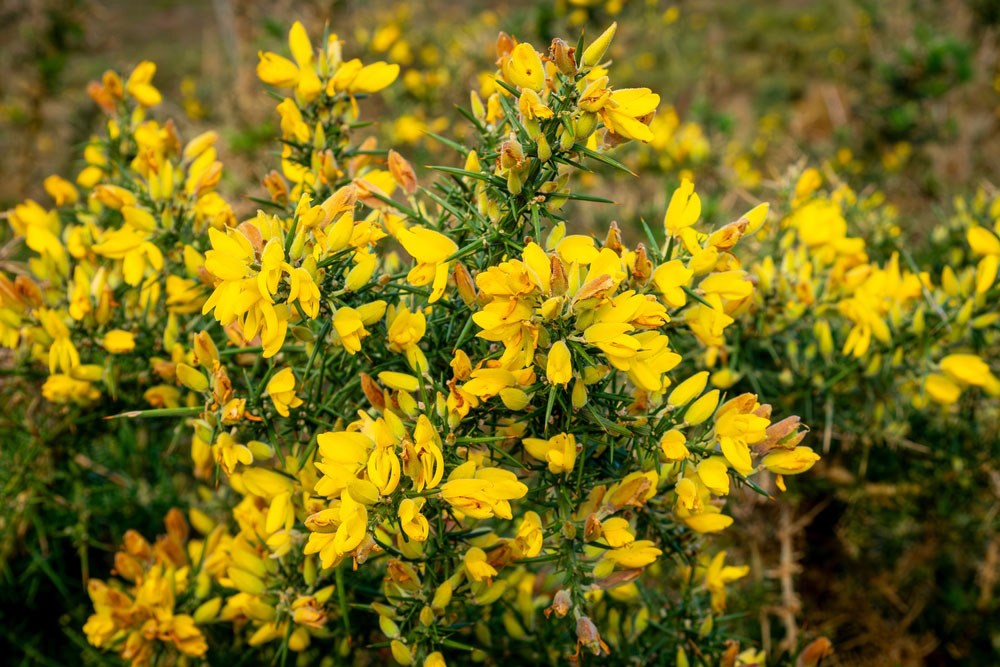
Similar to Scotch broom but even more aggressive, gorse forms dense, thorny thickets that are extremely difficult to remove.
Once established, it spreads quickly and crowds out everything nearby.
18. English Laurel (Prunus laurocerasus)
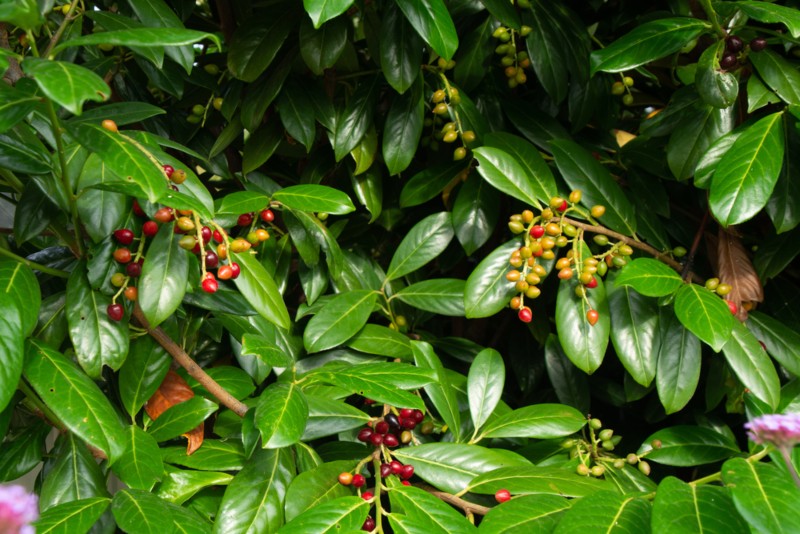
English laurel might seem like an ideal choice for a hedge or privacy screen, but its vigorous growth can quickly become overwhelming.
This evergreen shrub grows fast, tolerates shade, and can become a large, dense plant if it isn’t pruned regularly. In some regions, especially parts of the Pacific Northwest, it has escaped cultivation and is considered a plant of concern.
Its thick growth can shade out smaller plants nearby, and its roots compete for water and nutrients.
Another thing to know: the leaves, stems, and fruit contain toxic compounds, so it’s not the best choice where pets or children may be tempted to chew on plant parts.
19. Cherry Laurel (Prunus caroliniana and relatives)
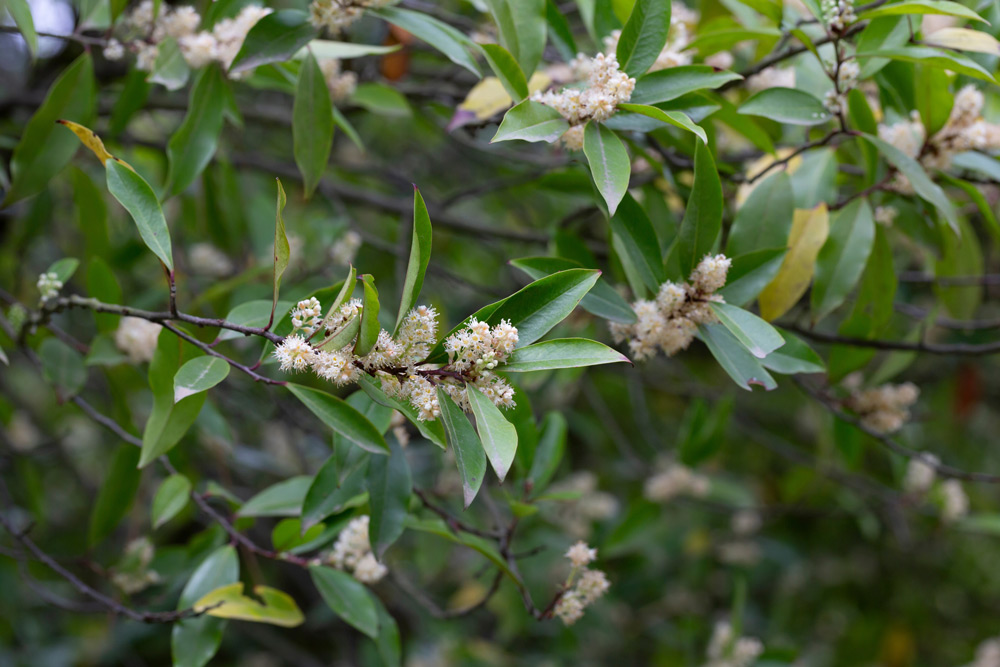
Carolina cherry laurel is native to the southeastern United States and can be a useful evergreen screen or wildlife plant.
But in warm climates, it can also be a heavy self-seeder.
Birds enjoy the small dark fruits and may spread the seeds around the yard. New seedlings often pop up under trees, along fence lines, and in nearby beds. It can also sucker in some situations.
This doesn’t mean Carolina cherry laurel is a bad plant. It simply needs the right space. It’s best for larger landscapes, naturalized areas, or places where extra seedlings can be mowed or pulled before they become a problem.
20. Running Bamboo (Shrub-like varieties included)
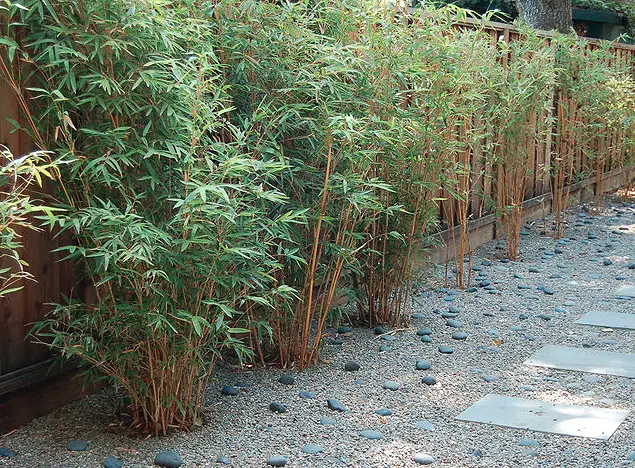
While technically a grass, many gardeners treat bamboo like a shrub.
Running types spread aggressively underground and can invade lawns, beds, and even neighboring yards if not contained.
Quick Comparison: Why These Shrubs Spread So Fast
| Shrub | Main Spread Method | Spread Speed | Control Difficulty | Where It’s Worst |
|---|---|---|---|---|
| Burning Bush | Birds spread seeds | Medium–Fast | Medium | Midwest, Northeast |
| Japanese Barberry | Seeds + root spread | Fast | Hard (thorny) | Northeast, Mid-Atlantic |
| Autumn Olive | Heavy berry production | Fast | Hard | Nationwide |
| Russian Olive | Seeds + drought tolerance | Fast | Hard | Plains, West |
| Multiflora Rose | Seeds + rooting canes | Fast | Very Hard (thorny) | Midwest, South |
| Chinese Privet | Bird-dropped berries | Very Fast | Hard | Southeast |
| Amur Honeysuckle | Early leaf-out + seeds | Fast | Hard | Midwest, East |
| Tatarian Honeysuckle | Bird-dispersed berries | Medium–Fast | Medium | Northern states |
| Butterfly Bush | Self-seeding | Medium | Easy–Medium | Pacific Northwest, Mid-Atlantic |
| Japanese Spirea | Reseeding | Medium | Easy–Medium | Northeast, Midwest |
| Nandina | Berries + rhizomes | Medium–Fast | Medium | South, Southeast |
| Sumac | Underground suckers | Fast | Medium | Nationwide |
| Snowberry | Underground runners | Medium | Medium | Northern U.S. |
| Coralberry | Root spread | Medium | Medium | Midwest, South |
| Wax Myrtle | Suckers | Medium–Fast | Medium | Southeast |
| Scotch Broom | Massive seed spread | Very Fast | Hard | West Coast |
| Gorse | Seeds + dense thickets | Very Fast | Very Hard (thorny) | Coastal regions |
| English Laurel | Seeds + root shoots | Fast | Medium–Hard | West Coast, Southeast |
| Cherry Laurel | Bird-dropped seeds | Medium–Fast | Medium | Southeast |
| Bamboo | Underground runners | Extremely Fast | Very Hard | Nationwide |
Safer Alternatives That Won’t Take Over Your Yard
If you love the look of fast-growing shrubs but want fewer headaches, try these better-behaved options:
- Viburnum varieties – Great for privacy and seasonal interest without aggressive spreading
- Fothergilla – Beautiful fall color similar to burning bush, but non-invasive
- Oakleaf hydrangea – Native, showy, and well-behaved in most landscapes
- Inkberry holly – A tidy evergreen alternative to invasive privets
- Ninebark (Physocarpus) – Tough, colorful foliage with manageable growth
- Buttonbush (Cephalanthus occidentalis) – Excellent native shrub for pollinators and wet areas
When in doubt, check with your local extension office before planting. A shrub that behaves nicely in one region may spread aggressively in another.
Look for native shrubs, sterile cultivars, or slower-growing alternatives when planting near foundations, walkways, fences, or small garden beds.
Before You Plant Fast-Growing Shrubs…
If a shrub is labeled fast-growing, low-maintenance, or great for privacy, take a closer look before planting.
Ask yourself:
- Does it spread by suckers or underground runners?
- Does it produce berries that birds carry around?
- Is it considered invasive in my state?
- Will it outgrow the space in a few years?
- Am I planting it in a small bed or a larger naturalized area?
Some shrubs on this list are truly invasive and best avoided. Others are native or wildlife-friendly plants that simply need more room than a small suburban garden can offer.
A little research now can save you years of pruning, digging, and regret later.