March is the ideal time to prune many trees and shrubs in your garden. As winter fades and before spring growth takes off, pruning now helps shape plants and promotes healthy development throughout the growing season.
Many deciduous trees and shrubs are still dormant in March, giving you a clear view of their structure and making it easier to identify which branches need to be removed.
Getting your pruning done now sets your garden up for success. Proper pruning techniques help improve air circulation, remove diseased branches, and encourage beautiful blooms later in the season.
You’ll find that taking care of these pruning tasks in March can save you headaches later and lead to stronger, healthier plants that enhance your landscape all year long.
1. Apple Trees
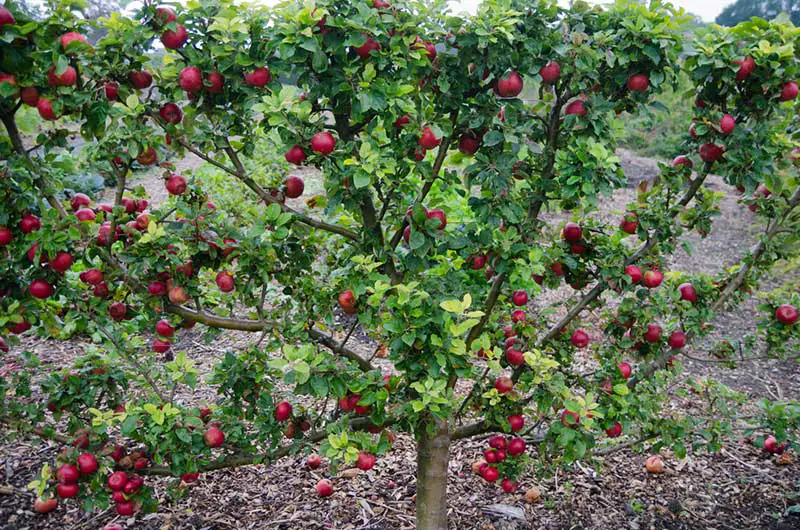
March is a perfect time to prune your apple trees. Prune while the tree is still dormant in late winter or very early spring before buds begin to swell.
When pruning, focus on removing dead, diseased, or damaged wood. You should also cut away suckers and any branches that cross each other.
How to Prune Apple Trees:
- Remove any broken or diseased branches first
- Cut away water sprouts growing straight up
- Thin out crowded areas to let light reach all parts of the tree
Good pruning helps your Malus domestica trees produce better fruit and stay healthy. Your apple trees will thank you with a better harvest this year!
2. Hawthorn
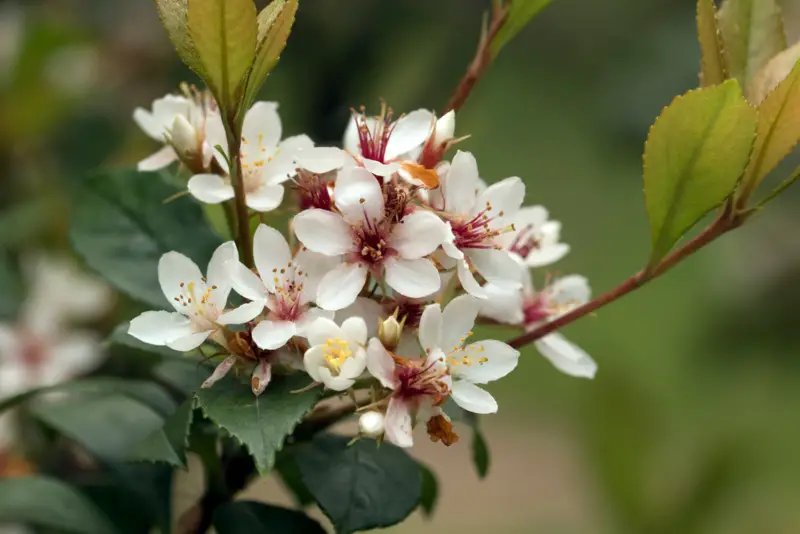
Hawthorn trees (Crataegus species) benefit from pruning in March, while they’re still dormant. This gives you a clear view of their structure before new growth begins.
Focus on removing dead or unruly branches to maintain the tree’s shape. Early spring pruning before the sap starts flowing is ideal, typically in March.
Pruning in early spring may reduce some flowers, so light structural pruning is best. This timing helps the tree heal quickly as the growing season begins.
When pruning hawthorns, use sharp, clean tools to make clean cuts. Remove crossing branches to improve air circulation and sunlight penetration through the canopy.
3. Mountain ash
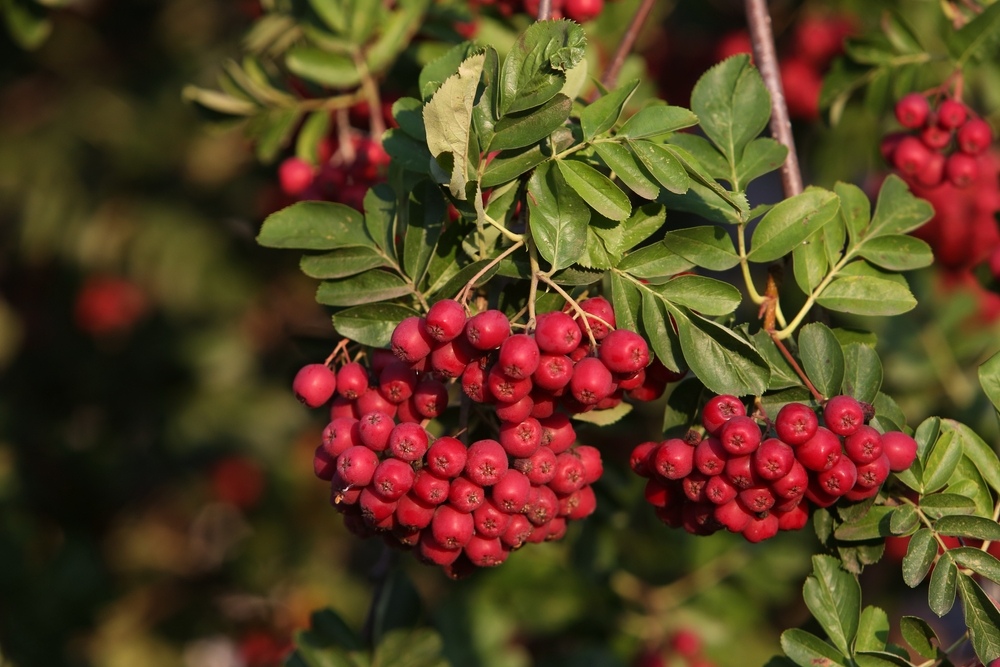
Mountain ash (Sorbus aucuparia) trees benefit from pruning in March. Prune in late winter while dormant to remove damaged or crossing branches.
When pruning your mountain ash, focus on removing dead or damaged branches. This tree doesn’t need much maintenance pruning, making it a low-effort addition to your garden.
Look for any crossing branches and trim them away to improve air circulation. You should also remove any suckers growing from the base of the tree.
Use clean, sharp tools when pruning to make clean cuts. This helps your mountain ash heal faster and keeps it healthy throughout the growing season.
4. Spirea
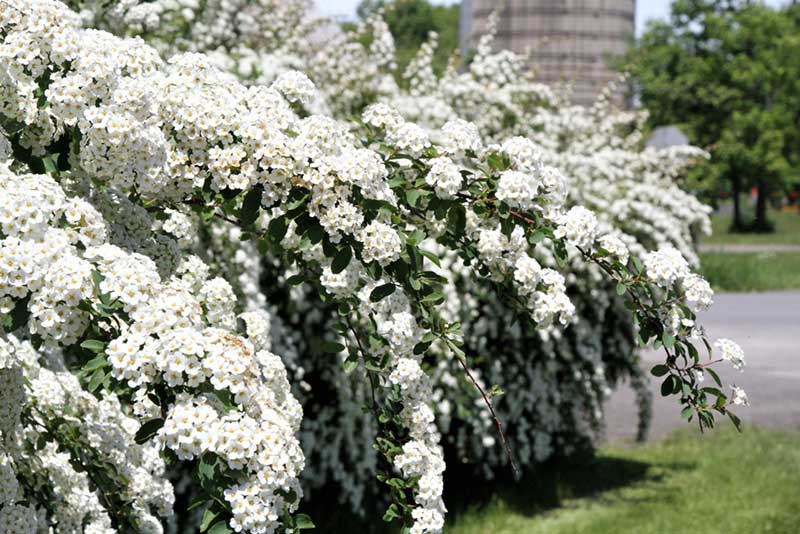
Spirea (Spiraea species) is one of the easiest shrubs to prune in early spring. Many varieties – especially summer-blooming types like Japanese spirea (Spiraea japonica) – bloom on new wood, which means pruning in March actually encourages more flowers.
Start by removing any dead or damaged branches. You can also thin out older stems at the base to help the plant stay full and healthy.
If your spirea has become leggy over time, don’t be afraid to cut it back by about one-third of its height. This helps stimulate fresh growth and results in a fuller shrub covered in blooms later in the season.
Spirea responds very well to pruning, making it one of the most forgiving shrubs to trim before spring growth begins.
5. Serviceberry
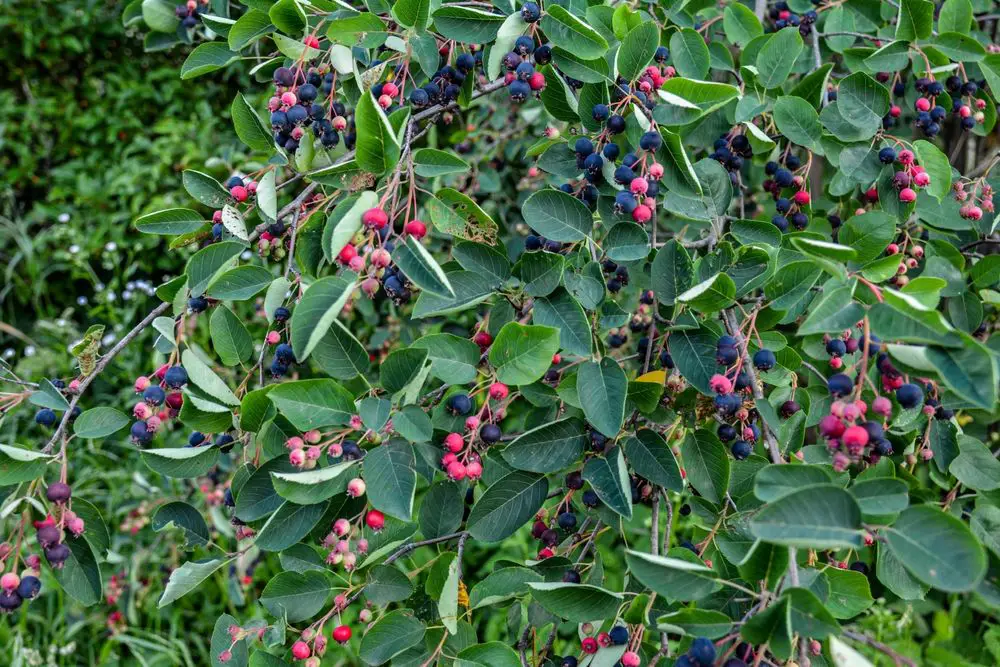
Serviceberry trees (Amelanchier spp.), light pruning can be done in late winter, but major shaping is best done after flowering.
You can shape this versatile plant as either a small tree or large shrub depending on your landscape needs.
Start by removing any dead wood and crossed branches that might rub against each other. This helps prevent disease and improves the plant’s overall structure.
For established serviceberries that are already producing fruit, you can prune more freely to maintain their size and shape.
If you’re uncertain about timing, remember that pruning in late winter/early spring works best for serviceberries. Annual pruning helps keep these beautiful trees healthy and looking their best in your garden.
6. Dogwood
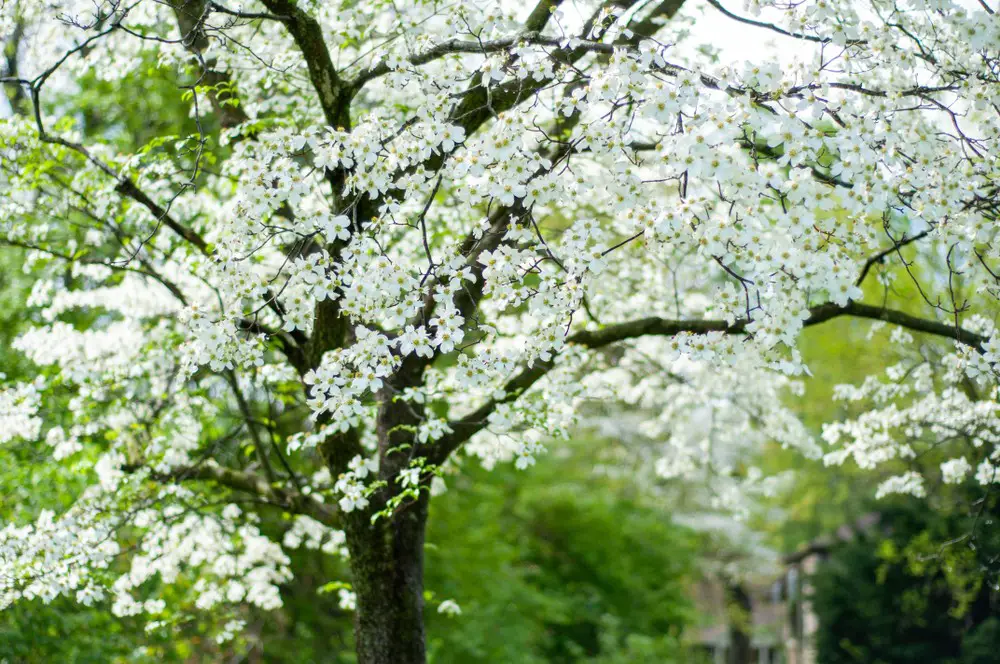
Dogwood trees (Cornus species) benefit from a good pruning in March. Late winter to early spring is the perfect time to trim these beautiful trees before they start growing new leaves.
Structural pruning can be done in late winter, but pruning right after flowering preserves blooms. This timing helps protect them from boring insects that might attack fresh cuts during warmer months.
When pruning your dogwood, focus on removing dead or damaged branches first. Then shape the tree as needed, but don’t remove too much at once.
Sharp tools make clean cuts that heal faster. Remember that dogwoods don’t need yearly pruning – just enough to maintain their natural shape and health.
7. Cotoneaster
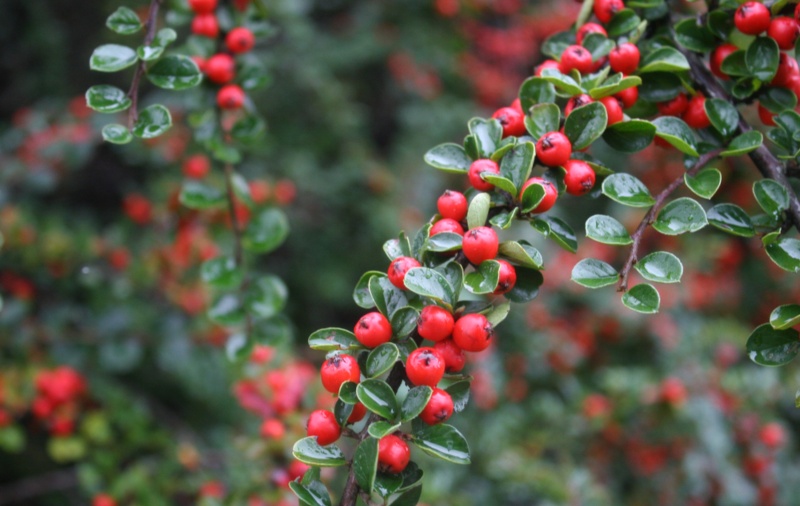
Cotoneaster (Cotoneaster spp.) is a versatile shrub that often grows in a distinctive herringbone pattern. You’ll find it climbing walls or spreading as ground cover in many gardens.
March is an ideal time to prune your cotoneaster. For ground cover varieties, pruning in early spring keeps growth dense and prevents legginess.
You can use renewal pruning by cutting out about 1/4 of the tallest and largest branches. This helps maintain the plant’s shape and encourages new growth.
If your cotoneaster is growing as a small tree, you don’t need to prune it regularly. Just remove damaged or diseased branches as needed.
Remember to clean your pruning tools before and after use to prevent spreading bacteria, which are less active during early spring.
8. Crape myrtle
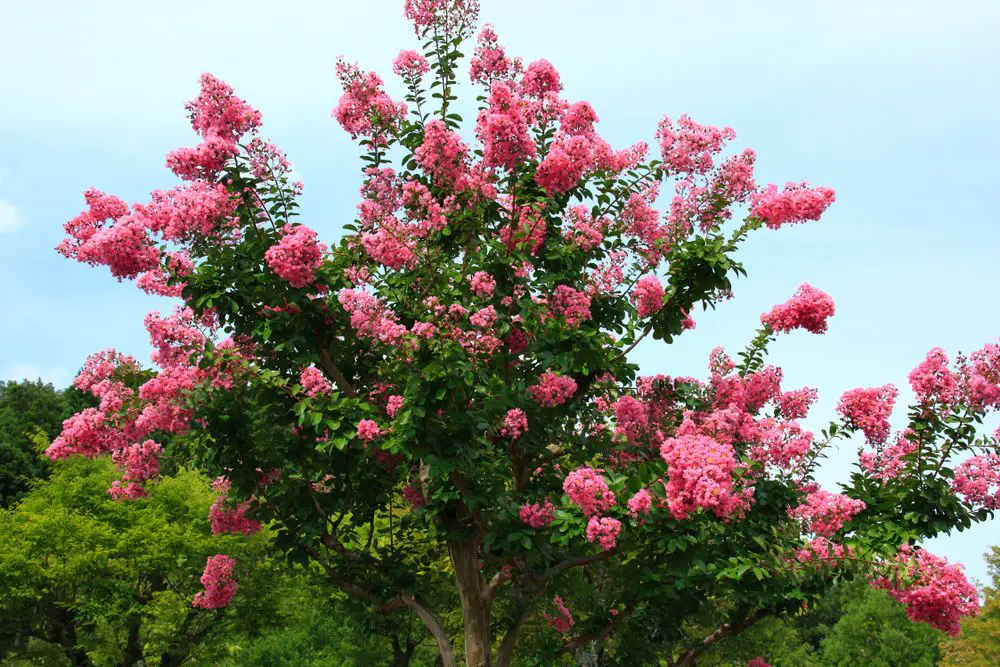
Crape myrtles (Lagerstroemia) should be pruned in late winter to early spring, making March an ideal time in most regions. This timing allows for pruning before new growth begins.
Avoid harsh cutting back of crape myrtles (often called “crape murder”). Instead, focus on removing crossing branches and suckers from the bottom of the plant.
Since crape myrtles bloom on new wood, pruning in March gives the plant time to develop fresh growth for summer flowers. You only need to trim enough to shape the plant and improve airflow.
Remove any dead or damaged branches completely. You can also thin out some of the smaller interior branches to open up the canopy structure.
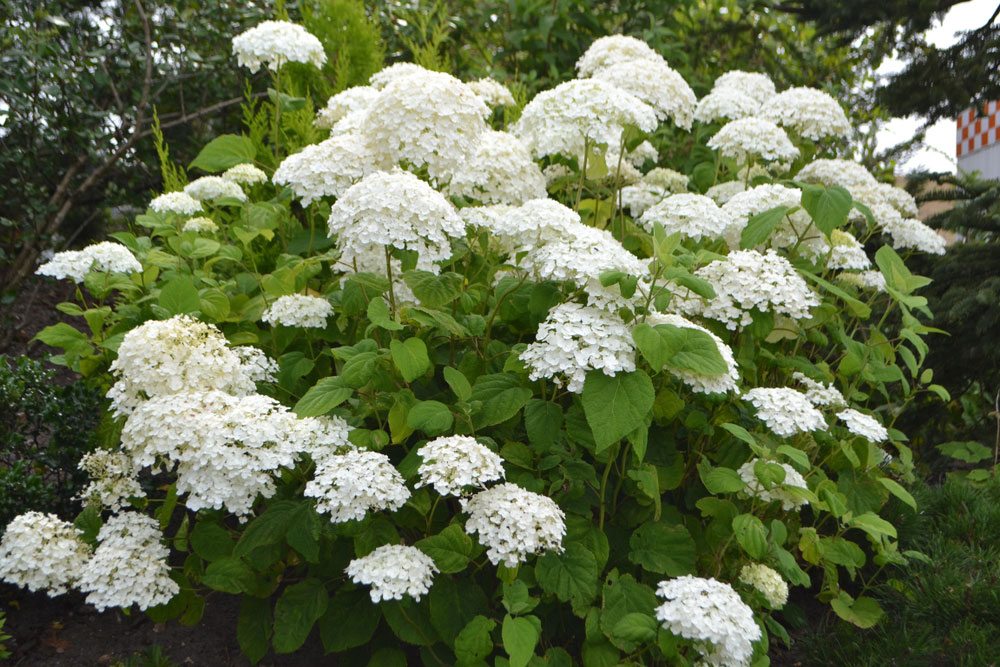
9. Hydrangea (on new wood)
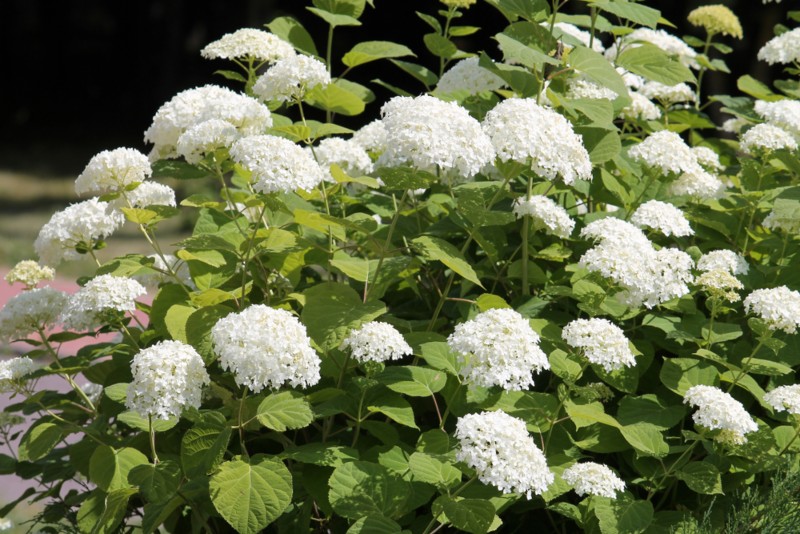
Hydrangeas that flower on new wood are perfect for March pruning.
These include Hydrangea arborescens (smooth hydrangea) and Hydrangea paniculata (panicle hydrangea).
You can cut these types back hard in March without losing this year’s blooms. Unlike other hydrangea varieties that bloom on old wood, these produce flowers on the current season’s growth.
To prune, remove dead stems and cut remaining branches back to about 1-2 feet from the ground. This encourages strong new growth that will support plenty of summer flowers.
Make clean cuts just above a node using sharp, sanitized pruning shears. This helps prevent disease and promotes healthy regrowth.
10. Butterfly Bush
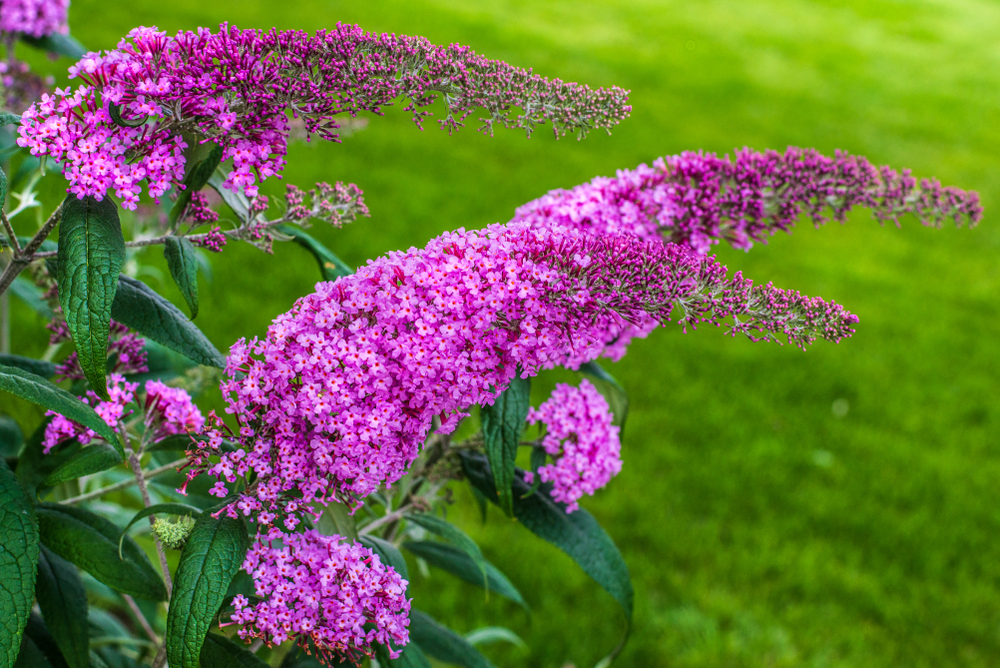
Butterfly bush (Buddleia) benefits from a good pruning in March. This timing works perfectly as the new growth begins to emerge in spring.
You should give your butterfly bush a hard pruning by cutting it back to about 12-24 inches from the ground. This shrub handles extensive cuts very well and will grow back with healthy, vigorous stems.
Butterfly bush benefits from hard annual pruning to encourage vigorous flowering.
This March pruning encourages more flowers and keeps the bush from becoming too woody or leggy.
After pruning, add a layer of compost around the base to give it nutrients for the new growing season. Your butterfly bush will reward you with abundant summer blooms that attract butterflies and other pollinators.
Benefits of Pruning in March
March pruning helps trees and shrubs thrive throughout the growing season. This timing offers unique advantages that set plants up for success during spring and summer.
Enhanced Growth and Health
Pruning in March happens just before the spring growth spurt begins. When you remove dead or weak branches now, plants direct energy to healthy areas instead of wasting it on damaged parts.
Trees and shrubs are still dormant in March, giving you a clear view of their structure without leaves in the way. This makes it easier to spot crossing branches and shape the plant properly.
The wounds you create by pruning in March heal quickly once spring arrives. This rapid healing reduces stress on the plant and minimizes exposure to pests.
Your pruning efforts now will lead to:
- Stronger new growth
- Better flowering in spring and summer
- More attractive plant shapes
- Increased vigor throughout the growing season
Disease Prevention
March pruning helps stop problems before they start. By removing dead wood, you eliminate hiding spots for insects and disease organisms.
How to spot problem areas: Look for discolored bark, cracked branches, or any areas with fungal growth. Cut these away cleanly with sharp, sanitized tools.
Thinning the center of trees and shrubs in March improves air circulation once leaves appear. Better airflow means fewer fungal problems and less chance of mildew forming on leaves.
Many plant diseases spread during warm, wet weather. By removing vulnerable branches now, you create a healthier structure that resists common spring infections.
Pruning in March also lets you inspect your plants thoroughly, catching potential issues early when they’re easier to address.